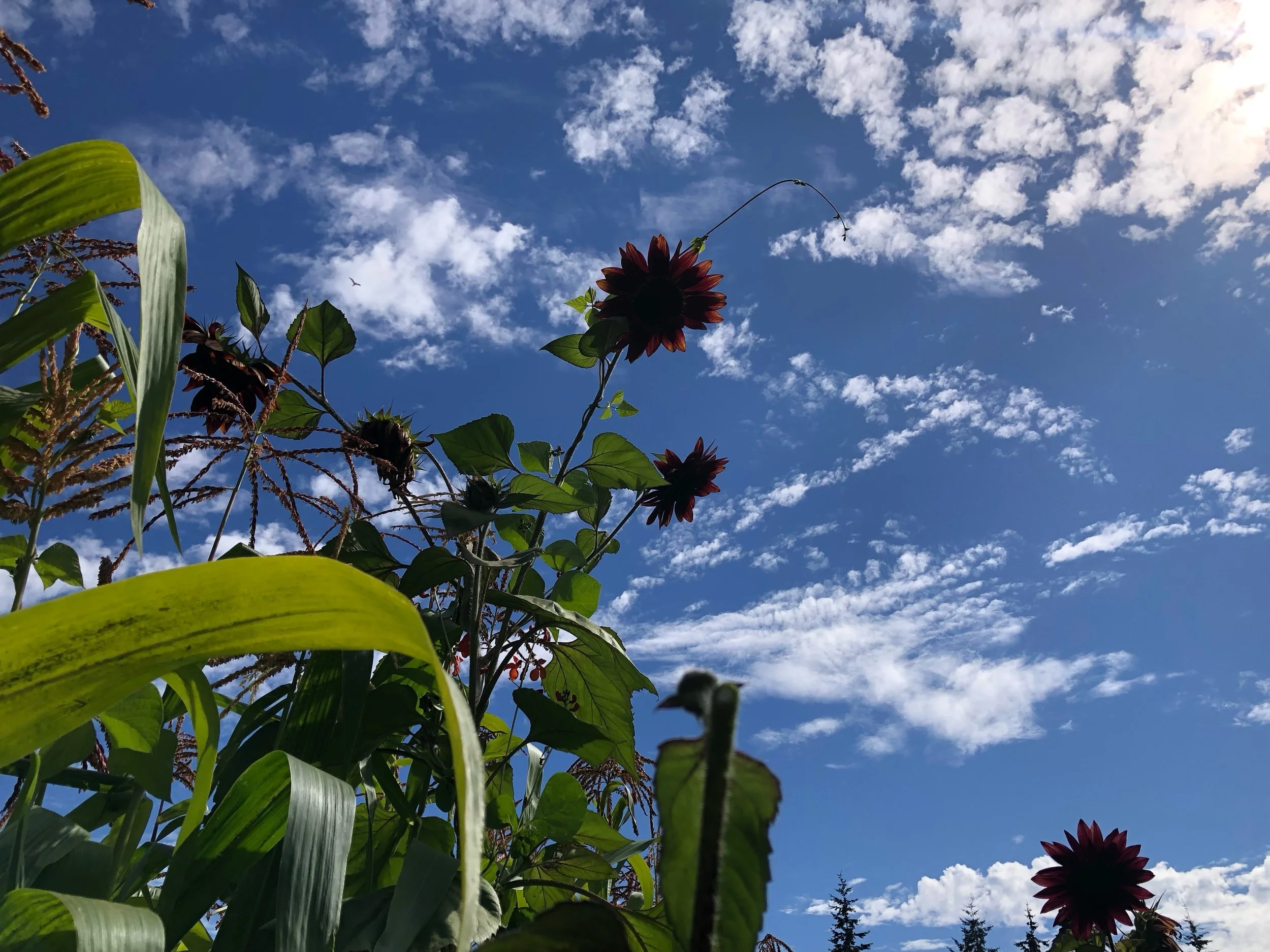
Partnering with the Land:
Since 2018 I have run an urban vegetable farm calledCity Sprouts Farm. Our work is focused on increasing food access and providing experiential learning opportunities where young people can develop farming skills and deepen their relationship with the wider community and with the land.
Throughout the years that I have worked full-time as a farmer and educator, I have often felt that my artistic practice—as a ceramicist, painter, and maker—have been pushed to the margins. Farming is such a demanding commitment and there is often little time or energy left for the studio. In recent years, however, I have begun to understand the farm itself as an extension of my artistic practice.
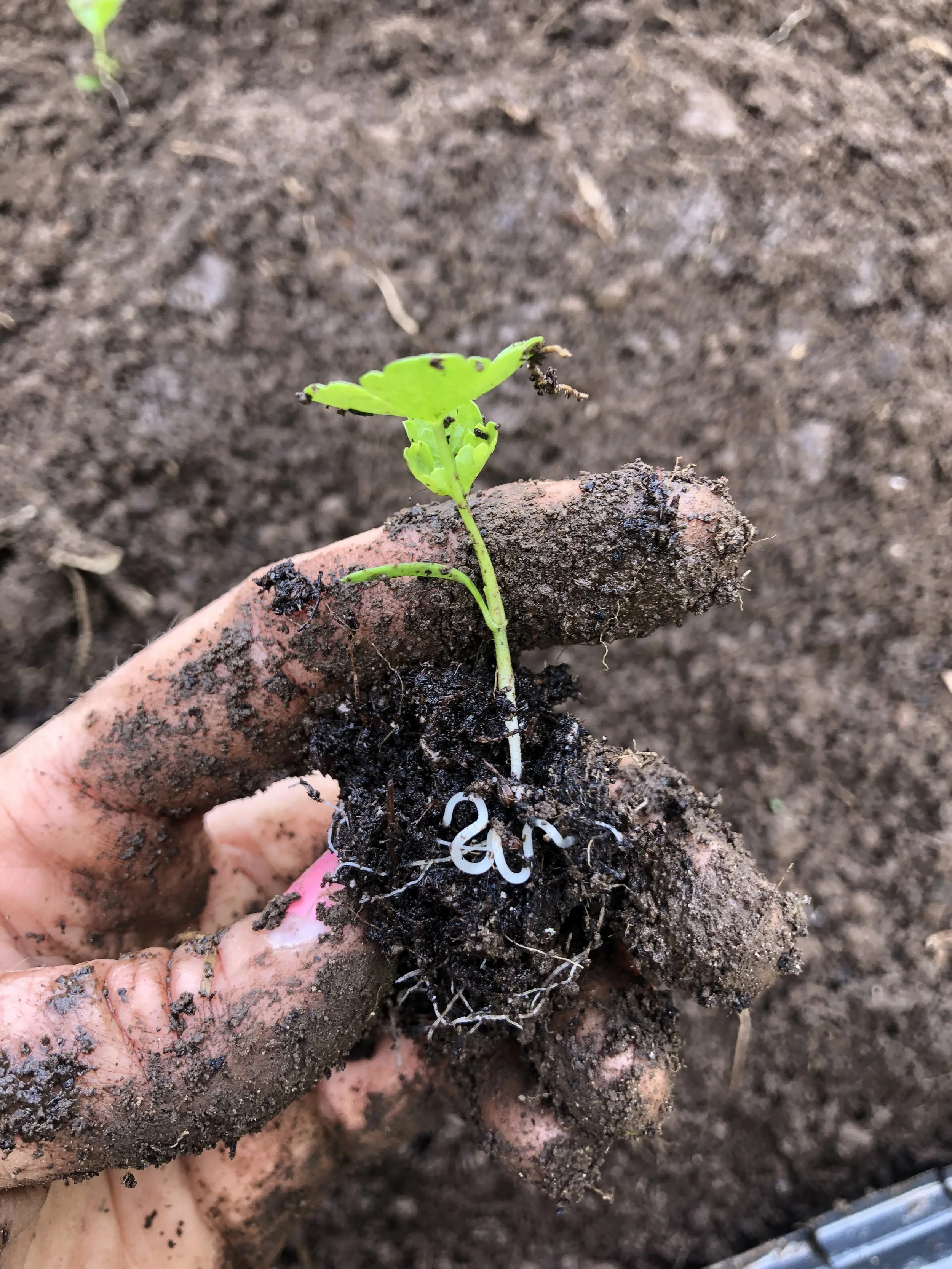
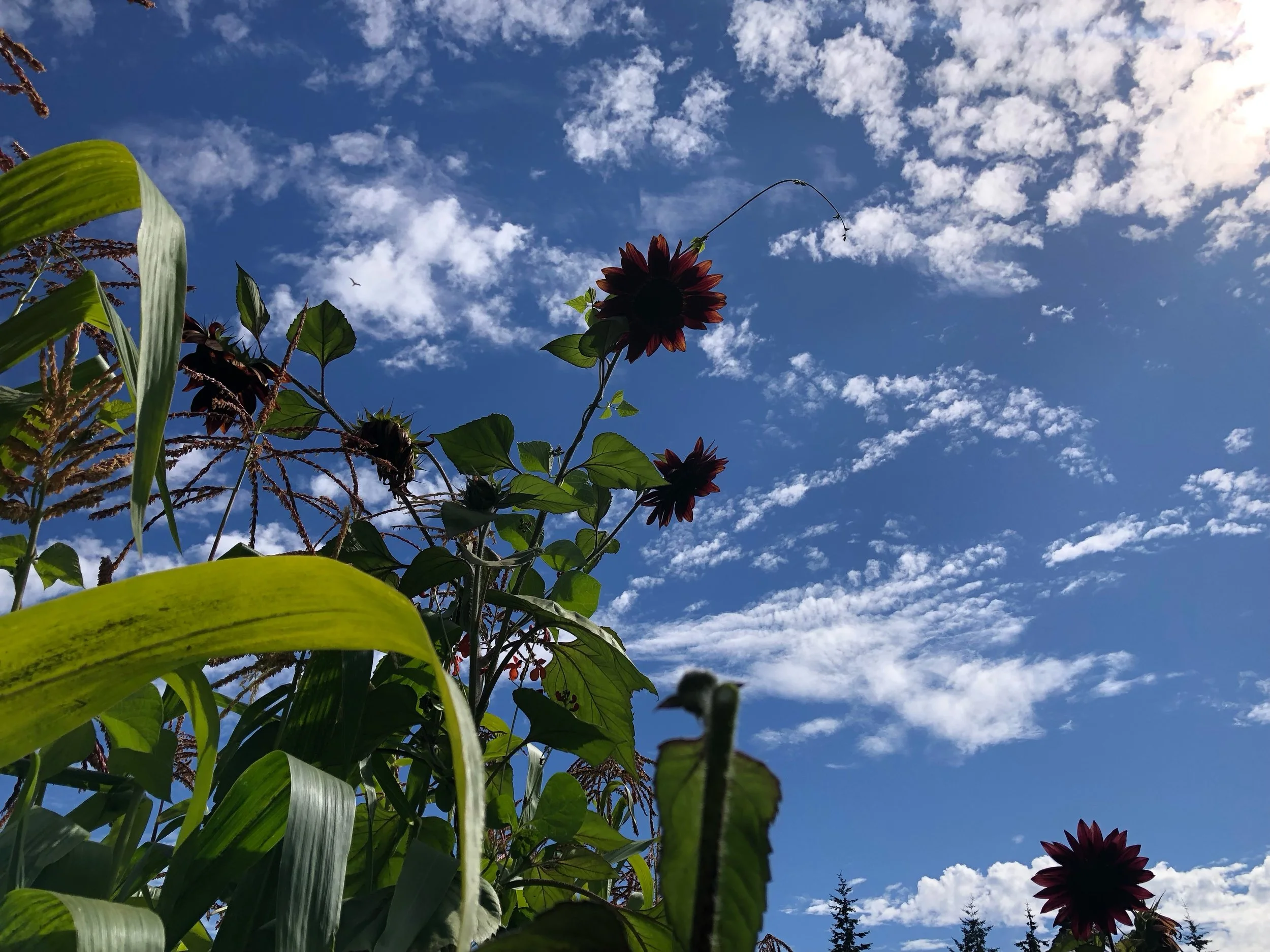
Farming asks for a deep attention to materials, living systems, and your accidental and intended audiences. As my skills as a farmer, educator, and community maker have developed, I have come to think of the farm as a kind of canvas—not a blank surface to impose my ideas upon, but a living medium that I enter into relationship with. Growing food is a way of partnering with the land, participating in an ecosystem, and attempting to orchestrate the lively interplay of soil, seeds, sun, water, humans, birds, animals, wind, climate, and culture.
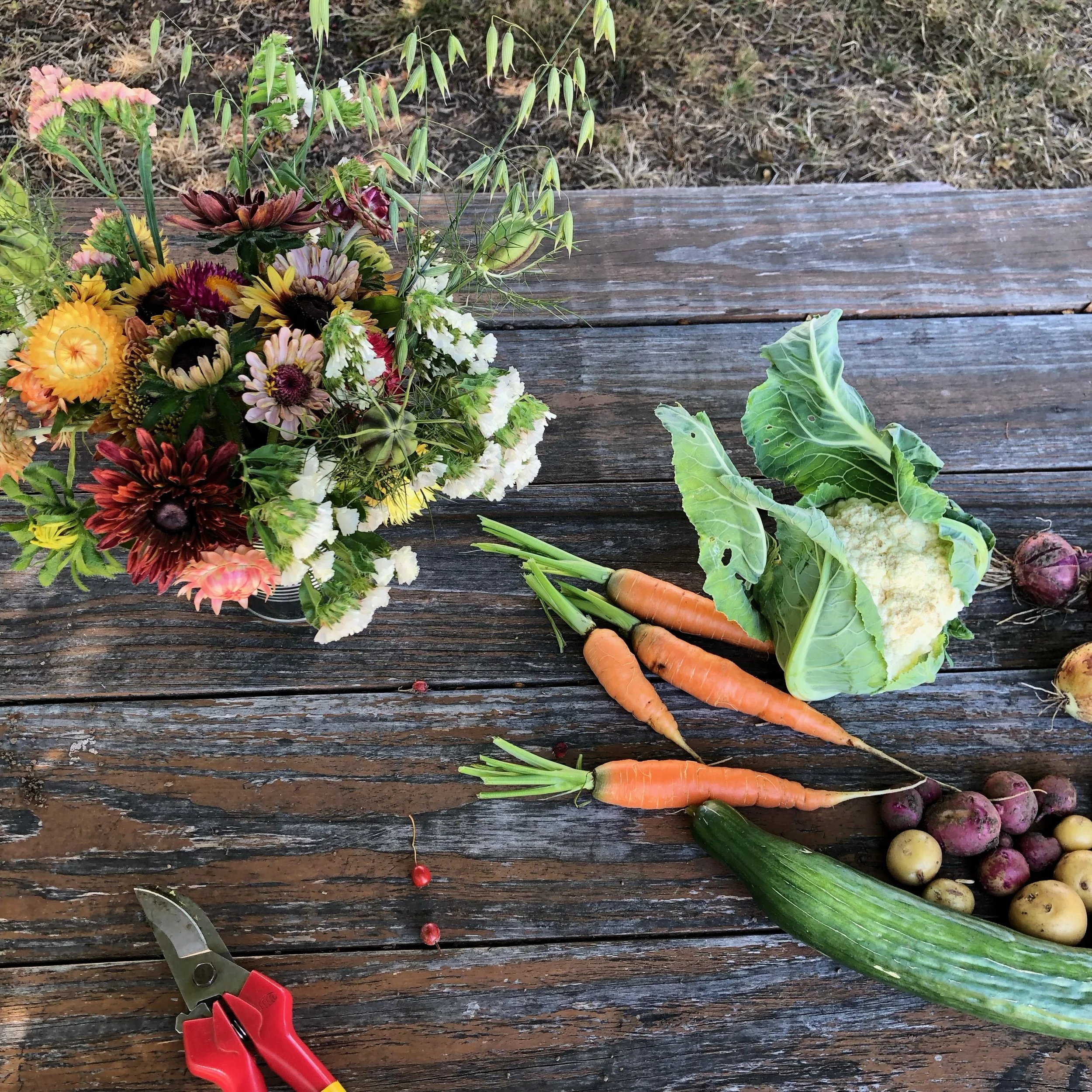
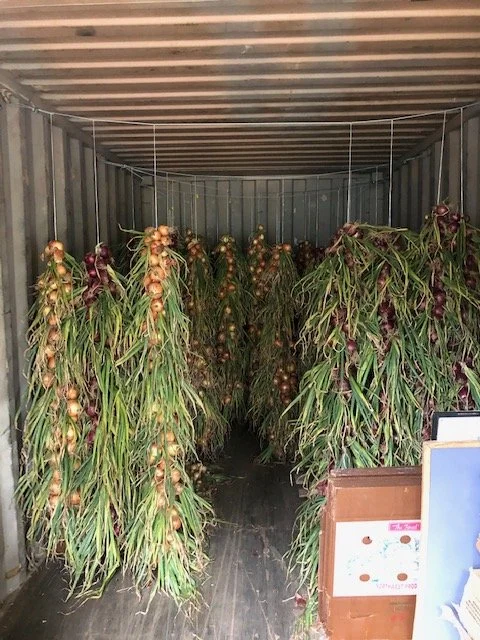
Though there are so many fantastic outcomes and deliverables from this work (namely the thousands of pounds of produce we grow each season), for me, the creative practice of farming is about so much more than producing food. It is about cultivating conditions for something bigger to grow; our attention and our reverence for this land we are so fortunate to inhabit.
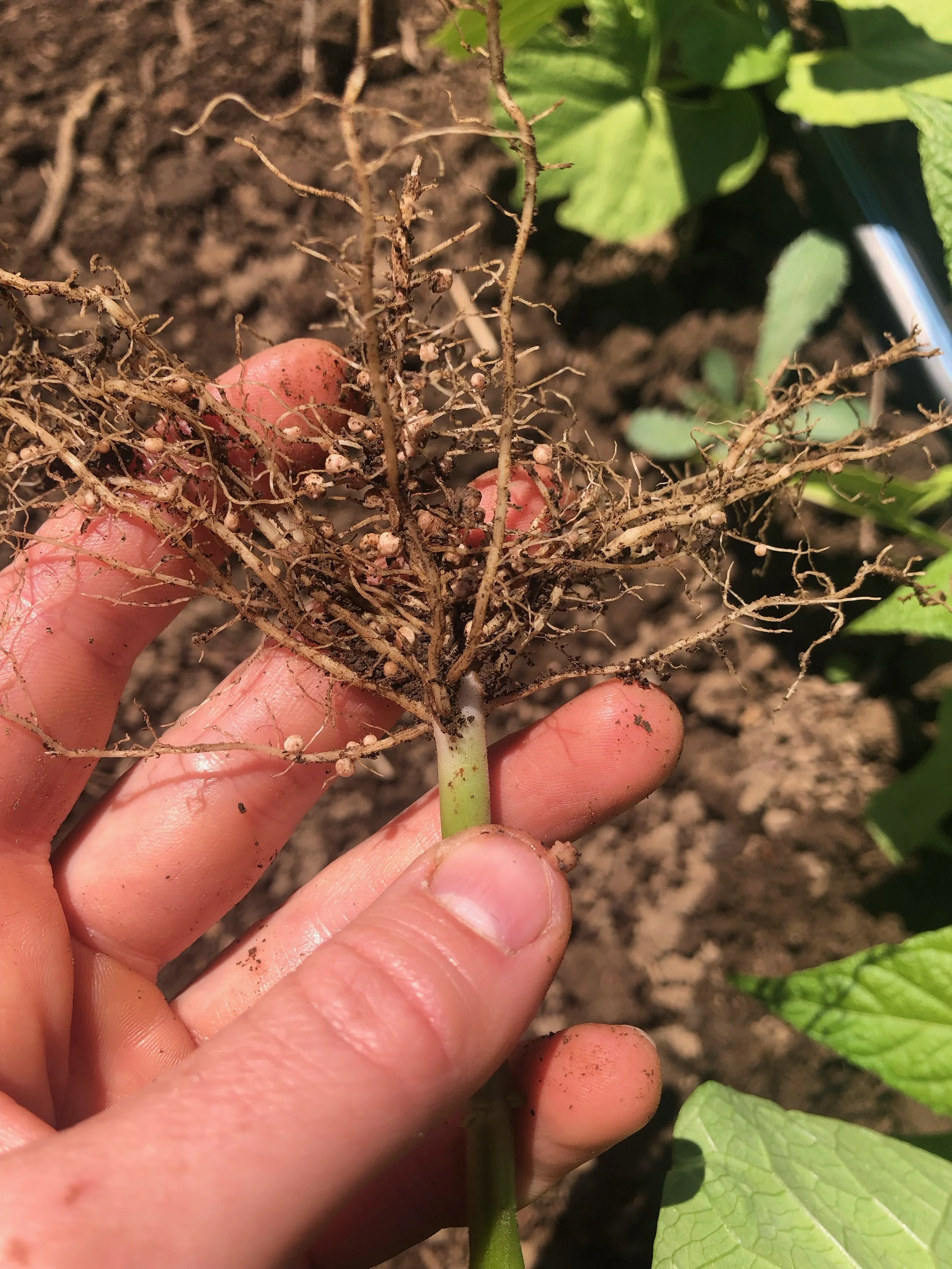
The farm is an artistic practice rooted in observation, curiosity, attention and a deeply committed relationship to place. It is a practice that is literally alive, continually changing, and is never finished. I can shape the conditions—enrich the soil, create the crop plan, negotiate the growing contracts, plant the seeds, tend the crops, invite the people in—but I cannot determine exactly what will emerge. Soil microbes, pollinators, fungus, plants, weather, animals, students, neighbors, and the people who eat our food are all participants in the work.
The farm has taught me to think of art as an act of participation rather than production—to create the conditions for a living system to take shape, while remaining attentive to the relationships, exchanges, unexpected outcomes, and gifts that emerge along the way.